Introduction
When it concerns updating or replacing your roofing, the choices can feel overwhelming. Among various roofing materials available today, metal roofing sticks out for its sturdiness, longevity, and aesthetic appeal. But exactly what does "metal roof" entail? Are there different kinds of metal roofing? How do you determine which type is best for your home? If you've discovered yourself contemplating these questions, you remain in the ideal location. This extensive guide will delve into the different types of metal roofing readily available, assisting you browse this vibrant market with confidence.
In this article, we'll check out whatever from the benefits and disadvantages of metal roof to in-depth descriptions of various types https://www.zupyak.com/p/4399308/t/selecting-the-right-roofing-contractors-your-guide-to-quality-roofing-system-repairs and designs. We'll also discuss how to select the right roofing contractor and when it's time for a roof replacement or repair. So get a cup of coffee and get comfortable; we're about to start an amazing journey through the world of metal roofing!
Understanding Different Kinds of Metal Roofing: A Comprehensive Guide
What is Metal Roofing?
Metal roof refers to a roofing system comprised of metal pieces or tiles that are interlocked or assembled together. It's developed not only to be long lasting but likewise energy-efficient and aesthetically enticing. Generally made from materials like steel, aluminum, copper, or zinc alloys, metal roofs can last substantially longer than standard asphalt shingles-- typically exceeding 50 years with appropriate maintenance.
Benefits of Metal Roofing
Durability: Metal roofings are extremely resistant to extreme climate condition such as heavy rain, snow, high winds, and even hail. Longevity: With appropriate care and setup by knowledgeable roofing contractors, a metal roof can last 40-70 years. Energy Efficiency: Reflective coverings can help reduce heat absorption in your home. Eco-Friendly: Lots of metal roofings are made from recycled products and are themselves recyclable at the end of their life cycle. Aesthetic Variety: Metal roofings are available in several designs and colors to match any architectural design.Types of Metal Roofing Materials
Steel Roofing
Steel is one of the most commonly used products for metal roofing due to its strength and affordability.
Galvanized Steel vs. Galvalume Steel
- Galvanized Steel: Coated with zinc for rust resistance; usually more inexpensive but might need upkeep over time. Galvalume Steel: Alloyed with aluminum-zinc for exceptional rust resistance; usually more expensive but lasts longer.
Aluminum Roofing
Aluminum is lightweight and resistant to rust, making it ideal for coastal areas where saltwater exposure is an issue.
Advantages of Aluminum Roofing
- Lightweight material Non-corrosive nature Excellent thermal performance
Copper Roofing
Known for its charm and longevity, copper develops a distinct patina gradually that lots of property owners find appealing.
Why Pick Copper?
- Extremely durable (often lasts over 100 years) Requires very little maintenance Adds significant visual value
Zinc Roofing
Zinc shares similar properties with copper but tends to be cheaper while still providing excellent durability.
Features of Zinc Roofing
- Self-healing properties (small scratches will corrode with time) Environmentally friendly as it's frequently made from recycled materials Long lifespan (approximately 80 years)
Styles of Metal Roofing
Standing Joint Metal Roofs
This design includes vertical panels that develop seams standing above the level of the roofing's surface.
Advantages
- Sleek appearance Excellent water drainage Minimal chance for leaks
Metal Shingle Roofs
These imitate standard shingles while supplying the benefits associated with metal materials.
Benefits
- Versatile designs available Easier setup compared to other styles Good wind resistance
Corrugated Metal Roofs
Typically utilized in farming settings however growing in popularity amongst property owners searching for a rustic aesthetic.
Pros
- Durable versus severe weather conditions Affordable option compared to other types Easy setup process
Tile Metal Roofs
These look like traditional clay tiles but are lighter and more durable due to their metal construction.
Why Think about Tile Metal Roofs?
- Unique visual appeal Great durability Energy-efficient choices available
Installation Process for Metal Roofing
Installing a metal roof needs professional abilities; nevertheless, comprehending the basic steps can assist you interact successfully with your roof contractor.
Step 1: Assessment & & Planning
Before anything else, examine your present roofing system condition. Is it ideal for a roof replacement? Do you require repair work first?
Step 2: Preparation
This involves getting rid of old shingles if necessary and making sure that your roofing deck is effectively prepared before setting up new underlayment.
Step 3: Installation
Each type requires specific strategies:
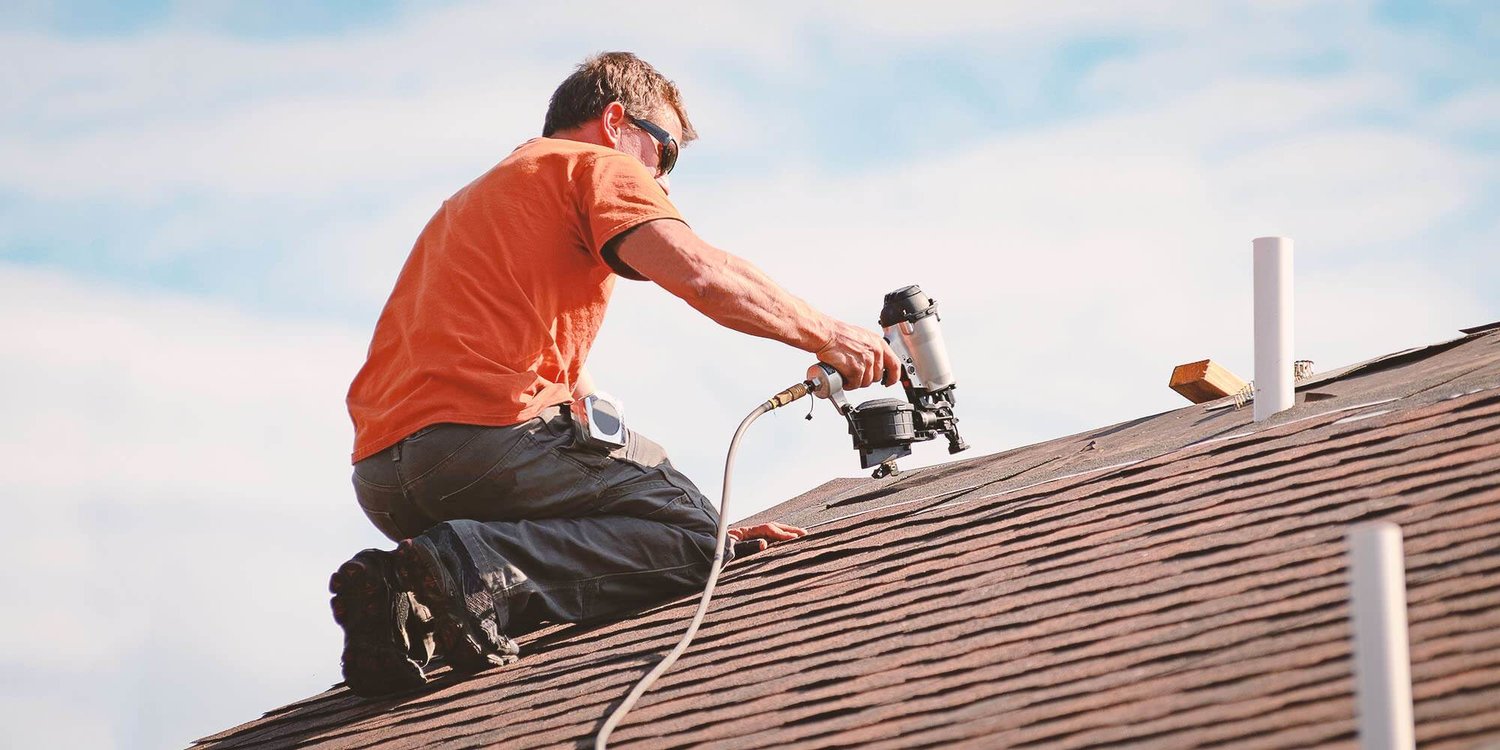
- Panels need precise alignment.
- They must be layered correctly according to design specifications.
Step 4: Finishing Touches
Flashing requires to be set up around chimneys or vents to avoid leakages followed by assessment by local building authorities if required.
Choosing Certified Roofing Contractors
Finding credible roofer can make all the distinction when it comes to roof replacement or repairs.
Tips for Picking the Right Professional:
Ask for Recommendations:- Speak with good friends or family who have recently finished similar projects.
- Verify licenses and insurance coverage.
- Get numerous quotes before making a decision.
- Look at online reviews on platforms like Yelp or Google My Business.
- Seek professionals who focus on the kind of metal roofing you're interested in.
FAQs About Metal Roofing
FAQ 1: How long does a metal roof last?
Answer: A well-installed metal roofing can last anywhere from 40 to 70 years depending on material quality and maintenance efforts.
FAQ 2: Will my insurance coverage cover a metal roof?
Answer: A lot of insurance plan cover damage caused by extreme weather; nevertheless, consult directly with your insurance company concerning specifics connected to upgrading your material type.
FAQ 3: Is noise a concern with metal roofing systems throughout rainstorms?
Answer: While some sound may take place during heavy rain, proper insulation considerably lowers sound transmission within homes equipped with metal roofs.
FAQ 4: Can I set up a metal roofing system over existing shingles?
Answer: Yes! In most cases-- pending regional guidelines-- you can place brand-new sheets over old ones without requiring complete removal first!
FAQ 5: Are there color options available?
Answer: Absolutely! There's an extensive range-- from classic hues like red or green-- to contemporary tones such as blue-gray or black-- allowing house owners flexibility in aesthetics!
FAQ 6: What maintenance do I need?
Answer: Regular inspections every few years will assist determine any possible concerns early on together with cleansing gutters regularly!
Conclusion
Navigating through choices when considering"Comprehending Different Types of Metal Roof"may seem intimidating at first glimpse-- however it doesn't need to be! This guide has offered you insight into different types-- consisting of steel, aluminum, copper-- and even their respective styles while highlighting resilience alongside aesthetic appeal throughout our conversation!
Whether you're getting ready for a total roofing system replacement or merely considering much-needed repairs-- it settles substantially knowing what's available in advance! Do not think twice-- reach out today so that proficient regional specialists can help you further down this interesting path towards improving both safety & appeal atop your valued abode!
Remember-- the ideal option not just secures against unforeseeable weather patterns but also elevates curb appeal tenfold! Pleased roofing!